
Nobody Warned Me About This: 5 Postpartum Pelvic Floor Truths
- Dr. Sasha Speer, PT, DPT
- Aug 21, 2025
- 3 min read
Updated: Nov 19, 2025
Let’s be honest: the postpartum period comes with a whole lot of surprises—some sweet, some messy, and some that make you whisper, "Why didn’t anyone tell me?!"
At Auria, we work with new parents every day who are discovering unexpected changes in their bodies—and wondering if what they're feeling is “normal,” or if it’s something they just have to live with.

We’re here to say: you’re not alone, and you don’t have to just accept it.
Here are 5 pelvic floor truths we wish every new parent knew postpartum:
1. Leaking when you sneeze isn’t just part of being a mom.
It might be common—but it’s not something you have to settle for.
Bladder leaks after birth are usually a sign that your pelvic floor muscles (the ones that support your bladder and help control urine flow) need some support—whether that means strengthening, coordination, or learning to relax and reconnect.
The good news? With the right guidance, most people can significantly reduce or eliminate leakage.
2. Things can feel different—and that’s valid.
Whether it’s pressure, heaviness, a “falling out” sensation, or discomfort during intimacy, many people experience changes in their pelvic area after birth. This could be due to muscle imbalances, scar tissue, prolapse, or simply a body still adjusting after delivery.
These symptoms are real and treatable—and pelvic floor therapy can help restore strength, sensation, and confidence.
3. "Kegels" aren’t always the answer.
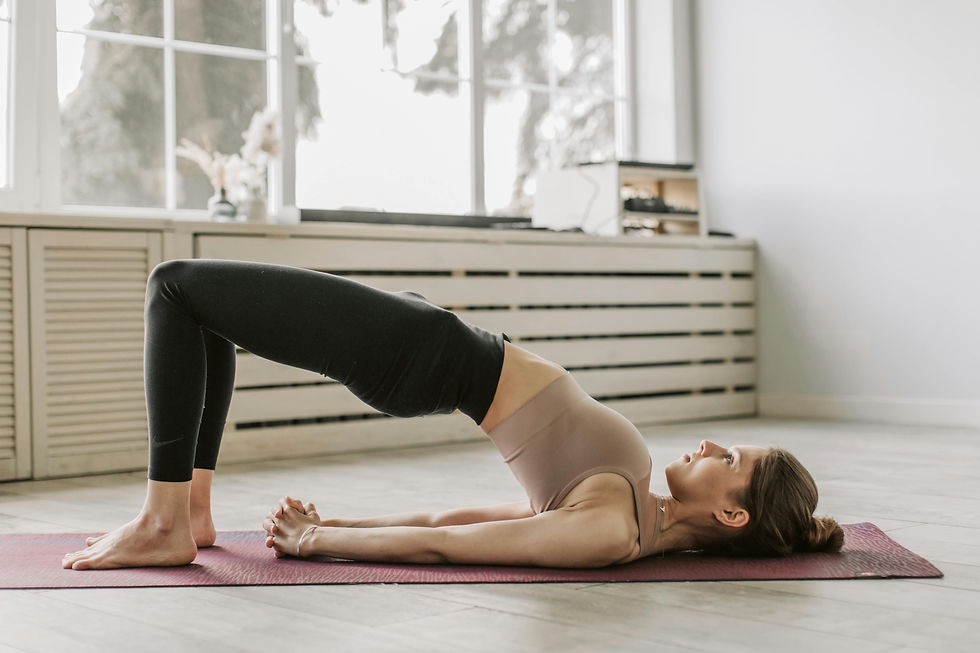
We’ve all heard the advice: "Just do your Kegels!" But here’s the truth—some postpartum bodies need to release tension more than they need to squeeze.
If you’re doing Kegels without guidance (or if they make your symptoms worse), it might be time to work with a pelvic floor specialist. The goal isn’t just strong muscles—it’s smart, coordinated, balanced muscles.
4. Pooping shouldn’t feel like a full-time job.
Straining, skipping days, or needing a caffeine ritual to get things going? That’s your pelvic floor trying to tell you something.
Childbirth can affect the muscles and nerves involved in bowel movements, leading to constipation, pain, or incomplete emptying. A skilled pelvic floor PT can help retrain those systems—and make going to the bathroom feel simple again.
5. You’re allowed to ask for help.
Postpartum care in our culture often focuses heavily on the baby—and barely touches on the healing parent. But your recovery matters. How you feel in your body matters.
Whether you're six weeks or six years postpartum, it's never too late to prioritize your pelvic health. You deserve to feel strong, supported, and pain-free.
You’re not broken. You’re healing.
At Auria Pelvic Health, we see you. We've walked this road with countless patients, and we’re here with compassionate care, a judgment-free space, and real tools to help you feel like you again.
If you're dealing with symptoms that nobody warned you about, let this be your sign: it's okay to speak up, and it’s absolutely okay to ask for support.
Call us to learn more about how pelvic floor therapy can help you feel better in your body.
Auria Pelvic Health
8929 S Sepulveda Blvd., Ste. 412
Los Angeles, CA 90045
Phone: 310-505-6096
Website: www.theaurialife.com

Article Written By Dr. Sasha Speer, DPT
#PelvicTherapy #PelvicHealth #PelvicFloorTherapy #PelvicPain #PelvicFloorExercises #PelvicRehabilitation #PelvicWellness #PelvicCare #WomenHealth #MenHealth #PhysicalTherapy #TherapeuticExercises #HolisticHealth #PelvicFloorDisorders #PostpartumHealth #IncontinenceTreatment #PainManagement #RehabilitationTherapy #BodyPositive #FunctionalMovement #SexualHealth #Postpartum #Pregnancy #CSection #PostpartumHealing #VeniceBeach #Westchester #ElSegundo #BeachCities #SouthBay #LosAngeles #California #SouthernCalifornia


Comments