
You Don’t Need Surgery Right Away: Conservative Care for Prolapse
- Dr. Sasha Speer, PT, DPT
- Aug 14, 2025
- 2 min read
Updated: Nov 19, 2025
Hearing the word “prolapse” can be scary—like your body is breaking down or that surgery is the only option.
But here’s the good news: surgery, including a hysterectomy, is not always the answer.

In fact, many people improve significantly—and even reverse their symptoms—through conservative care.
Before rushing to the operating room, it’s worth exploring what gentle, effective treatments can do to support your body and restore confidence in your everyday life.
What is Prolapse, Anyway?
Prolapse happens when the pelvic organs—like your bladder, uterus, or rectum—drop down from their normal position and push against the vaginal walls.
This can happen due to pregnancy, childbirth, aging, or other factors that weaken the pelvic floor muscles and connective tissue. Symptoms vary but often include a feeling of heaviness, bulging, pressure, or discomfort in the pelvic area.
Wait—Do I Really Need a Hysterectomy?
Many women are told that a hysterectomy is their only option for prolapse, especially if the uterus is involved.
But here’s the truth: in many cases, we can absolutely treat prolapse conservatively—without removing organs.
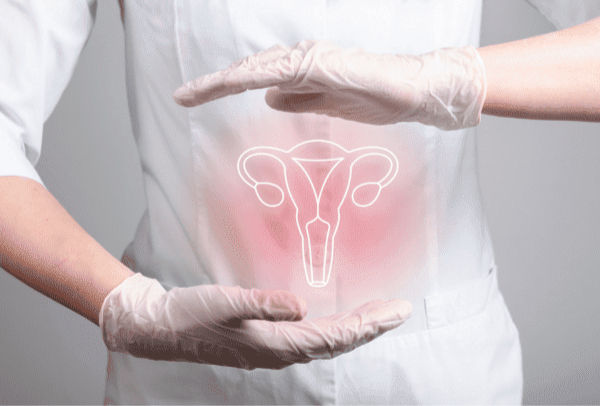
With the right care, it’s often possible to manage or even reverse symptoms so you can live a full, active life.
Yes, that includes returning to exercise, lifting your kids, and even having more babies if that’s part of your future plans. You have options.
What Does Conservative Care Look Like?
Pelvic Floor Physical Therapy
This includes targeted exercises, manual therapy, and posture training to strengthen and coordinate the muscles that support your pelvic organs. We also work to reduce any muscle tension or imbalance that may be contributing to your symptoms.
Lifestyle Modifications
Managing constipation, avoiding prolonged heavy lifting, and adjusting how you move through your day can significantly reduce pelvic pressure.
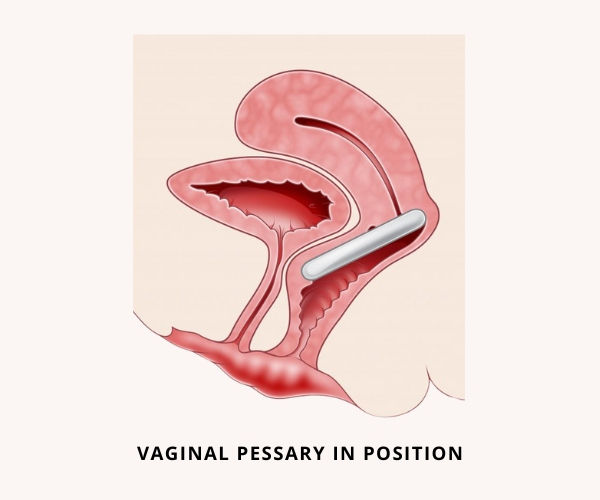
Supportive Devices
A pessary (a small, removable device inserted into the vagina) can provide added support and symptom relief while you work on strengthening the underlying support system.
Education & Empowerment
Knowing how your body works—and what makes symptoms better or worse—is empowering and essential to long-term progress.
When Is Surgery the Right Choice?
Surgery may be appropriate for some people, especially if symptoms are severe or conservative care hasn’t been effective enough. Even in these cases, pelvic floor therapy is recommended both before and after surgery to support healing and improve outcomes. But for many, surgery can be delayed—or avoided entirely—through a consistent, personalized treatment plan.
The Bottom Line: You Have Options
If you’ve been told you have prolapse, take a breath. It doesn’t mean you’re broken, and it doesn’t automatically mean surgery. Conservative care can help you feel stronger, more supported, and more in control of your body.
At Auria Pelvic Health, we’re here to support you every step of the way—with expert guidance, personalized care, and a deep belief in your body’s ability to recover.
Auria Pelvic Health
8929 S Sepulveda Blvd., Ste. 412
Los Angeles, CA 90045
Phone: 310-505-6096
Website: www.theaurialife.com

Article Written By Dr. Sasha Speer, DPT
#PelvicTherapy #PelvicHealth #PelvicFloorTherapy #PelvicPain #PelvicFloorExercises #PelvicRehabilitation #PelvicWellness #PelvicCare #WomenHealth #MenHealth #PhysicalTherapy #TherapeuticExercises #HolisticHealth #PelvicFloorDisorders #PostpartumHealth #IncontinenceTreatment #PainManagement #RehabilitationTherapy #BodyPositive #FunctionalMovement #SexualHealth #Postpartum #Pregnancy #CSection #PostpartumHealing #ConservativeCare #NoSurgeryTreatment #HolisticTreatment #VeniceBeach #Westchester #ElSegundo #BeachCities #SouthBay #LosAngeles #California #SouthernCalifornia


Comments